Concrete Floor Installation Camarillo CA
We install concrete floors in Camarillo, CA for garages, warehouses, basements, workshops, and living spaces that need a durable, low-maintenance surface built to hold up for decades.
A Concrete Floor That Holds Up to Whatever You Throw at It
Concrete floors are one of the most durable, versatile, and cost-effective flooring options available for any space that needs to handle heavy use. Whether you are finishing a garage, pouring a warehouse floor, or installing a slab for a new addition, the quality of the installation determines how the floor performs for the next 30 to 50 years.
A poorly installed floor cracks early, develops low spots that collect water, or has a surface that flakes and dusts within a few years. A properly installed floor, on the other hand, is nearly indestructible under normal use and requires almost no maintenance beyond occasional cleaning and resealing.
At Camarillo Concrete Company, we install concrete floors for residential and commercial properties throughout Ventura County. We work on new builds, additions, and replacement slabs, and we bring the same attention to the subbase, mix design, and finishing detail to every project regardless of size. If you want a floor that just works, we would love to give you a free estimate.
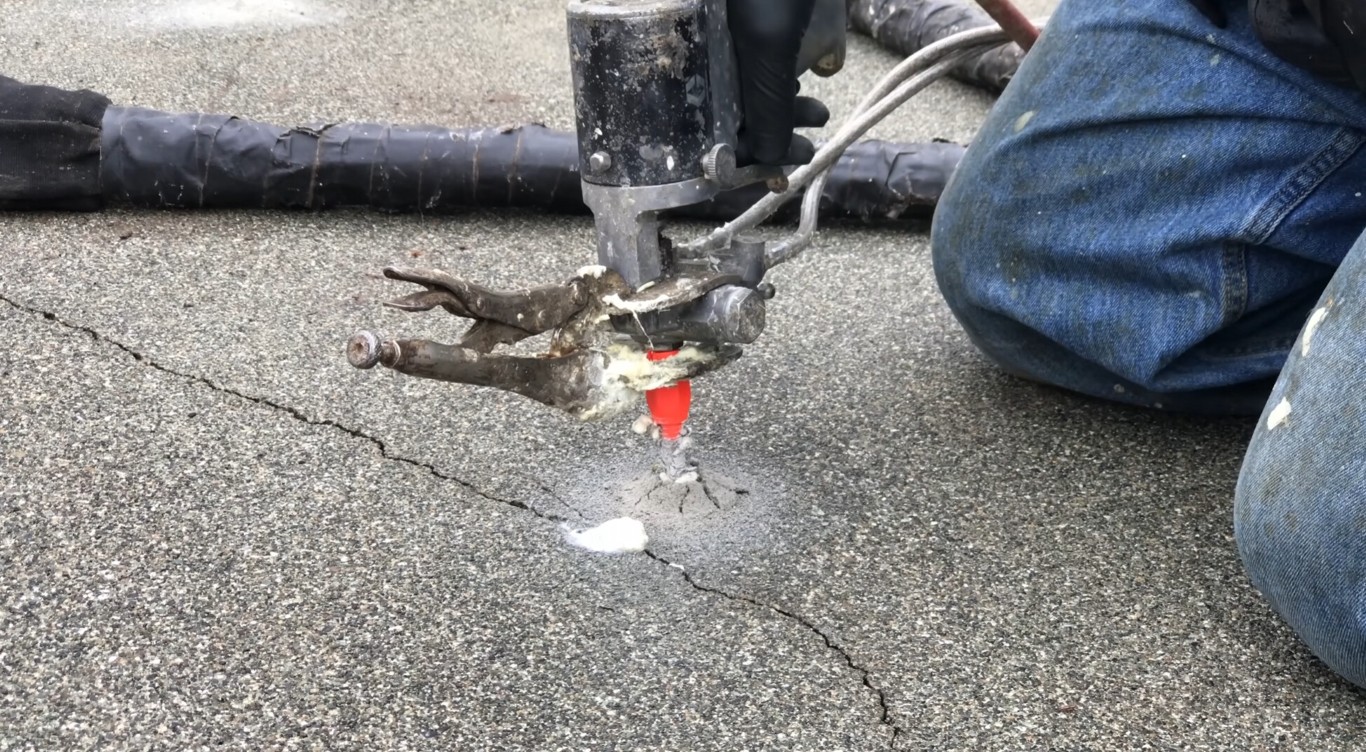
What Goes Into a Properly Installed Concrete Floor
The steps that happen before the concrete is poured are just as important as the pour itself. Here is what we focus on to make sure your floor is built right:
- Subbase preparation: The ground beneath the slab needs to be compacted uniformly so there are no soft spots. Soft areas beneath a slab will lead to settling and cracking as the concrete tries to bridge unsupported sections. We compact the base, add gravel fill as needed for drainage, and check the grade before any forming begins.
- Vapor barrier: For interior floors and any slab poured on grade, a plastic vapor barrier is placed over the subbase before the concrete goes in. This prevents ground moisture from wicking up through the slab, which can cause flooring adhesive failures, mold growth, and surface dusting on bare concrete.
- Reinforcement: Wire mesh or rebar is placed throughout the slab to control cracking and add tensile strength. For floors that will carry heavy loads, such as a workshop with heavy equipment, vehicle storage, or commercial use, rebar at the right spacing is essential. We discuss the expected use of your floor and design the reinforcement accordingly.
- Control joints: Concrete shrinks slightly as it cures. Control joints are saw-cut or tooled into the slab at regular intervals to give that shrinkage a place to happen without the crack running randomly across the surface. We space and place control joints according to the slab size and thickness.
- Finishing and curing: The surface is screeded, floated, and finished to the flatness and texture your application requires. Garage and shop floors typically get a broom finish for traction. Interior living space floors may get a smoother finish suitable for coatings or polishing. Proper curing after the pour, keeping the surface moist or covered for the first several days, is critical to achieving the full design strength of the concrete.
What Type of Floor Are You Installing? Here's What to Expect
Different spaces have different requirements. Here is how we approach the most common concrete floor installation projects in Camarillo:
Garage floors
Garage floors need to handle vehicle traffic, oil and chemical spills, and the weight of jacks, lifts, and heavy toolboxes. We install a 4-inch minimum slab with reinforcement, slope it slightly toward the door or a floor drain, and finish the surface with a broom texture for traction. If you want a coated or sealed finish for your garage, we work with coating systems that bond directly to fresh concrete for the best adhesion. Our garage floor concrete page has more detail on what we offer for garage-specific installs.
Shop and warehouse floors
Commercial and industrial floors take heavy point loads, forklift traffic, and constant wear. These applications typically require a thicker slab (5 to 6 inches or more), heavier reinforcement, and a harder surface finish. We design the slab thickness and reinforcement based on the expected loads so your floor does not crack under the work you plan to do on it.
Interior living space floors
Concrete floors are increasingly popular in modern homes, studios, and commercial retail spaces because of their clean look and durability. A smooth-troweled slab can be left as bare concrete, stained, dyed, or polished to a glossy finish. If you are considering a decorative finish for your new floor, see our decorative concrete page for the full range of options. You can also visit the Camarillo Concrete Company home page to see all the surfaces we work on across residential and commercial properties.
Questions About Concrete Floor Installation
How thick should a residential concrete floor be?
How long does it take for a new concrete floor to be ready to use?
Why does my existing concrete floor have so much dust on the surface?
Ready to Get a Concrete Floor That Is Built to Last?
Give us a call or fill out our online form for a free on-site estimate. We serve Camarillo, Oxnard, Ventura, Thousand Oaks, and surrounding communities throughout Ventura County. Visit the Camarillo Concrete Company home page to see the full list of surfaces we install, or learn more about our garage floor concrete service if you are specifically looking to upgrade your garage.